Indian Spices for English Tables: British Satire in Colonial Media
Anna Ikle-Maizlish
Published in 1860, George Francklin Atkinson's Indian spices for English tables is a 27-page leather-bound predecessor to the modern graphic novel. 120 satirical sketches, arranged across the pages and reproduced en masse using a pen-and-ink lithographic process, feature humorous scenes from the author's travels across the Indian subcontinent. The author, a member of the Bengal Engineers in the British East Indian Company's military, writes a distinctly colonialist interpretation of his travels, using humor to present local practices and Indian locals as inferior to him and his "knowing" British colleagues. Published by the British-based Day & Son and meant for broad distribution, the book contributes to a legacy of British satirical caricature and literature. However, unlike other British satire, Indian spices does not focus on critiques of British society as much as it satirizes Indian society and the struggles British officers face in many unruly travel scenarios. In this respect, Indian spices for English tables sits within a niche genre of paternalistic British colonial satire, where caricature is used as a colonial tool to spread soft power through mockery, orientalism, and degradation of local ways of life as a justification for colonial presence. Through accessible visuals, first-hand accounts, and satire, Atkinson's Indian Spices for English Tables frames colonial experience in a consumable spectacle for British audiences. The book shows how British imperial power depended not only on political and military domination but on aesthetic practices that centered British authority in an orientalized, "inferior" India.
Indian spices for English tables was published three years after the Indian-led Sepoy Rebellion of 1857—a turning point in British colonial rule that brought the downfall of the Mughal dynasty and reshaped British control. Despite this, the book notably avoids representations of direct military power and battle. The book's themes are presented through its illustrated title page (fig. 1): shaky methods of transportation break down on the rugged terrain, risky attempts to ride exotic animals, and the dutiful service of many local Indian servants who accompany Atkinson throughout his arduous experiences in rural India. The illustration centers Atkinson's figure against "Our Special Correspondent," emphasizing first-handedness and building authenticity through the overt identification of authorial voice. Atkinson's journal-like first hand observations are central to the resulting narrative. His British perspective is centered through comments that emphasize India as an exotic, unserious society. On plate 16 (fig. 2), he observes women "leisurely composing themselves to reap," comments that Indian rural labor traditions seem "not very arduous to attain," and calls Indian native carts "a very picturesque sort of vehicle."1 The captions, along with his reference to rural populations as the "rustics," portray Indian society as lackadaisical, antiquated, and crude and establish colonial authority through observation. The sketchy, journalistic style of the drawings support a sense of legitimacy. These value judgements, supported through visual representations of locals in minimal clothing, give no mention of the local social, political, or military systems in place—ones that gave rise to the significant Sepoy Rebellion.
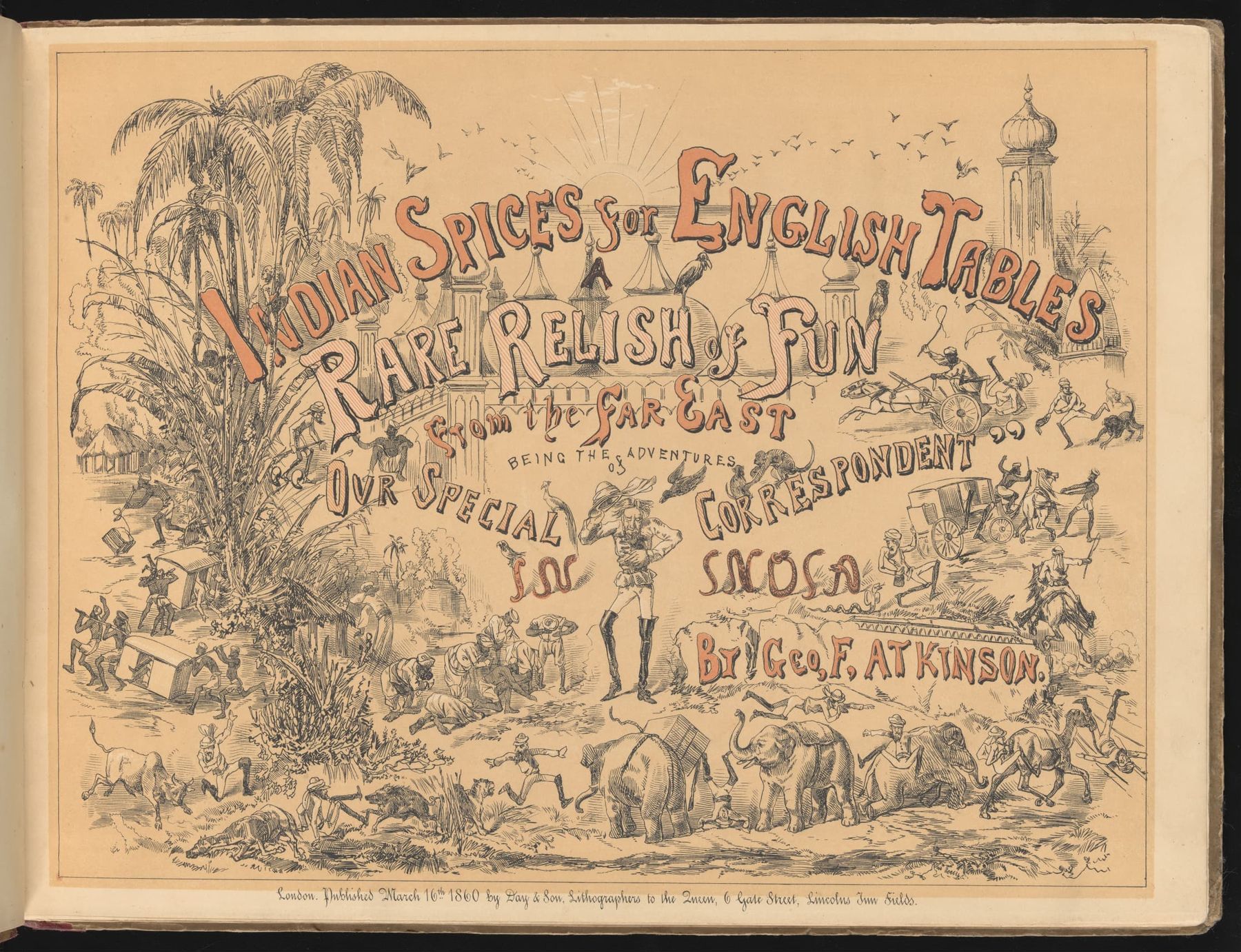
Figure 1. George Francklin Atkinson (1822-1859), title page (page 2 recto) in Indian spices for English tables (London, Day & Son, 1860). Colored lithograph print. Charles Deering McCormick Library of Special Collections, Donald K. Adams and Lawrence D. Stewart Collection of Prints.
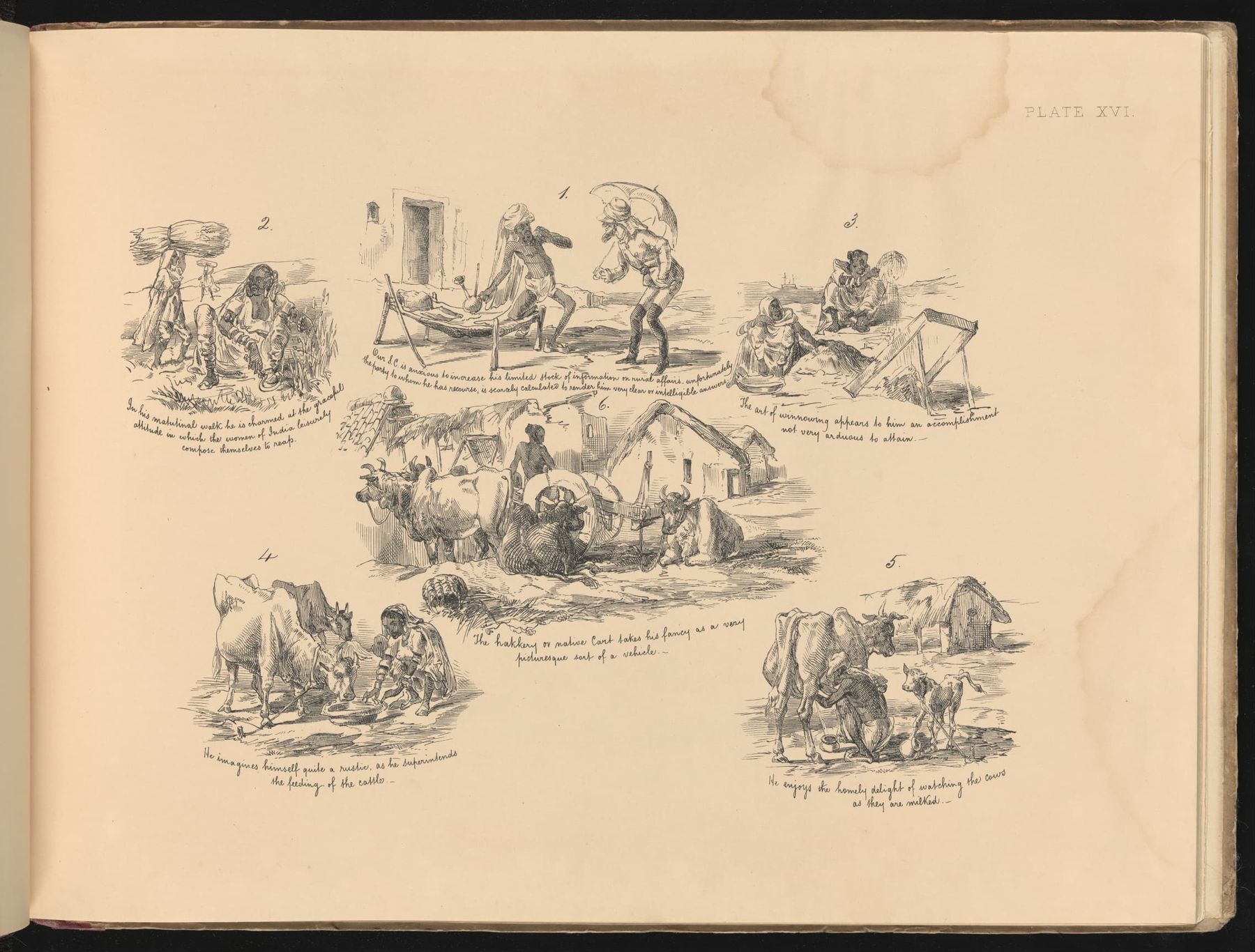
Figure 2. George Francklin Atkinson (1822-1859), plate XVI in Indian spices for English tables (London, Day & Son, 1860). Colored lithograph print. Charles Deering McCormick Library of Special Collections, Donald K. Adams and Lawrence D. Stewart Collection of Prints.
Several images further support the narrative's legitimacy: on the final page Atkinson laments about the sub-par conditions and tropical troubles of his travelling arrangements, socializes with other "knowing ones" (how British officers are called throughout the book), views the battlefield, and finally returns home to transcribe his adventures for the European audience (fig. 3). Atkinson's explicit illustration of his own writing process—one of many throughout the pages—communicates to the reader that the book is an accurate and legitimate portrayal of events in India, bolstering the authenticity of the narrative. Still, Atkinson folds humor into the story— the first two images on the final page show his contorted body tripping over tent-poles and a "turgid" face covered in mosquito bites. Atkinson's serious treatment of British presence and his writing contrasts with satirical retellings of his experiences in India to create an interesting dichotomy: one where the author and his foreign environment are comedically represented while the colonial presence they represent is unquestioned. Fitting into a long legacy of "civilizing" missions of imperialism, the book uses satire to emphasize the disorderliness of Indian society, rationalizing the need for British colonial intervention.
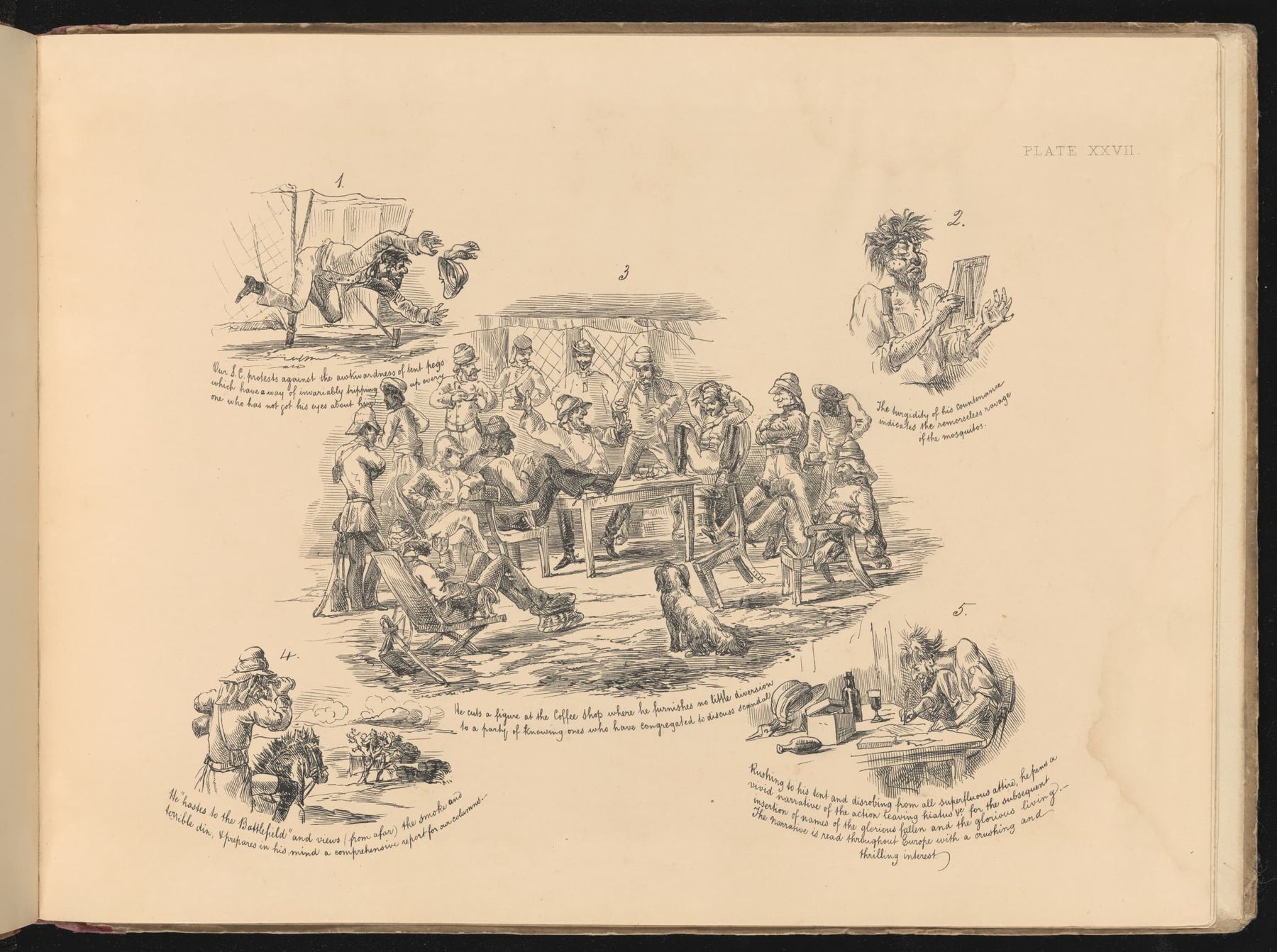
Figure 3. George Francklin Atkinson (1822-1859), plate XXVII in Indian spices for English tables (London, Day & Son, 1860). Colored lithograph print. Charles Deering McCormick Library of Special Collections, Donald K. Adams and Lawrence D. Stewart Collection of Prints.
The book's publisher, London-based Day & Son, is announced on the title page as "Lithographers to the Queen," emphasizing the book's access and colonial mission in distribution. This level of access for, essentially, a comic book underscores the importance of satire to colonial culture. As outlined by Dahlia Bhattacharya, British caricature culture travelled to India in the nineteenth century with periodicals like Punch (1841-1992), which adopted colonial subjects particularly in the wake of the Revolt of 1857.2 One such illustration, 1858's The New Year's Gift, represents the British government's success in the aftermath of the uprising. The caricature presents India as an exotic and menacing tiger next to well-dressed English politicians (fig. 4).3 Expressing British governmental unease about the feasibility of maintaining a colony in India, the image subjugates India as a wild beast, simultaneously commenting on British domestic politics and redirecting the satirical subject to the colonized population. Bhattacharya's argument that colonial satire reinforced racial hierarchies and imperial authority is supported by Atkinson's persistent mocking of Indian customs and portrayal of British officers as competent observers. While later Anglo-Indian works use humor to expose colonial contradictions and the fragility of imperial authority.4 Atkinson's humor redirects colonial anxieties into individual comedic mishaps, leaving the broader imperial system uncontested. Referential to British literary traditions, satire becomes a tool of imperial knowledge and reassurance.
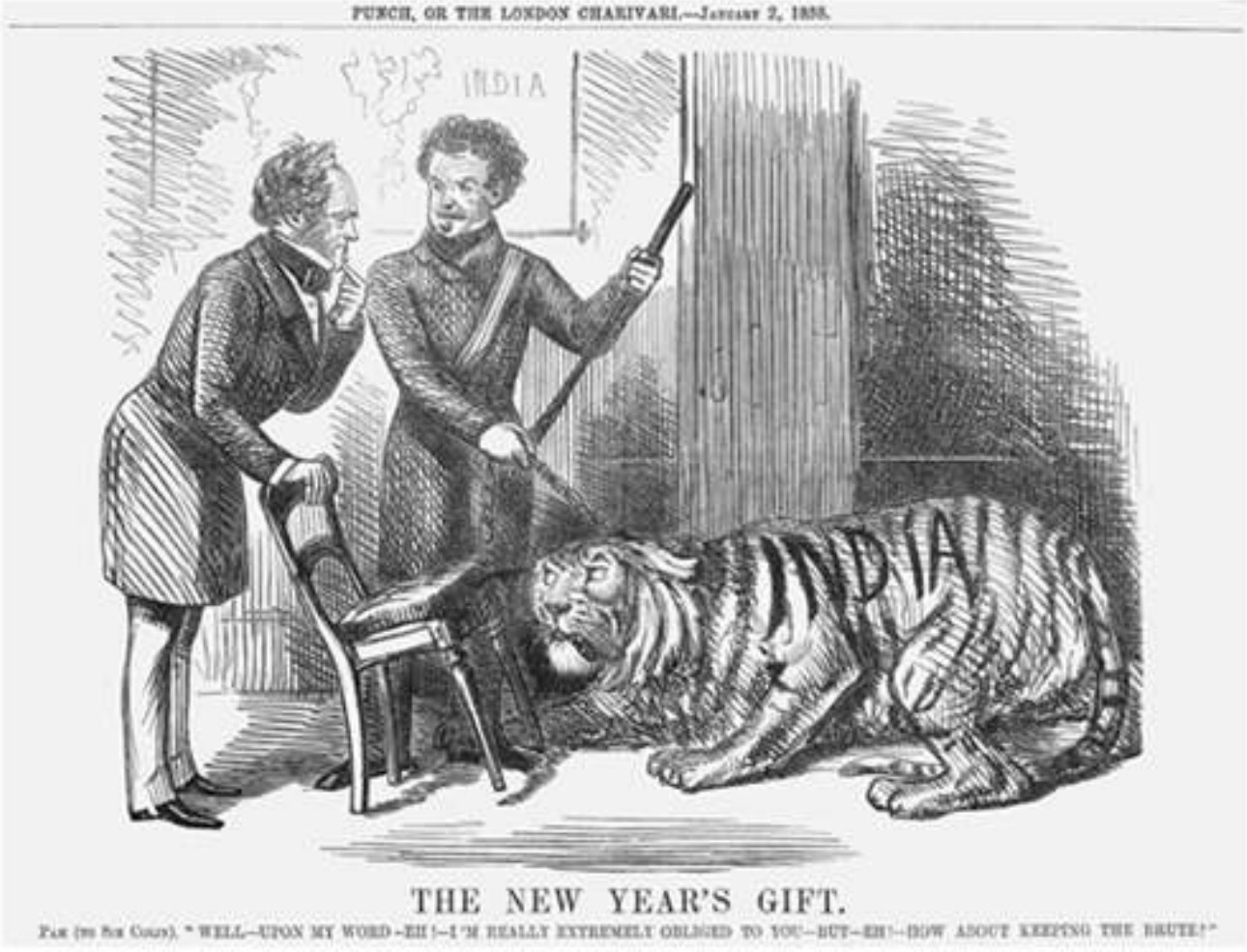
Figure 4. The New Year's Gift in Punch, or London Charivari, volume XXXIV (London, Brookellers, 1858). Lithograph.
Reference to satirical tradition is no clearer than in the dedication of Curry and Rice, Atkinson's 1859 illustrated vignette-style account of colonial life also published by Day & Son. Curry and Rice differs from Indian Spices in both style and focus, offering more extended written commentary and depicting a broader range of colonial British experiences beyond Atkinson's own travels. In a dedication, Atkinson attests that the book is an homage to the legacy of William Thackeray, famed British satirist of British elite society. Atkinson explicitly positions himself in a British literary tradition that critiques society through humor and exaggeration, only he uses the genre not for self-deprecating critique but for imperialist vindication. Swati Chattopadhyay interrogates this propagandist mission through analysis of one of Curry and Rice's illustrations (fig. 5), arguing that Atkinson represents Indian domestic spaces as primitive and unsophisticated as generalizable characteristics of local society, aiming to stir shock and ridicule within British audiences.5 The messy kitchen, exotic cooking practices, "ape-like" figures, and emphasis on difference and disorder in the image serve to associate the contrasting British society with cleanliness, racial superiority, and technological advantage. Through humorous depictions of everyday life, Atkinson disarms the reader and creates associations of a disorderly India and a rational Britain.
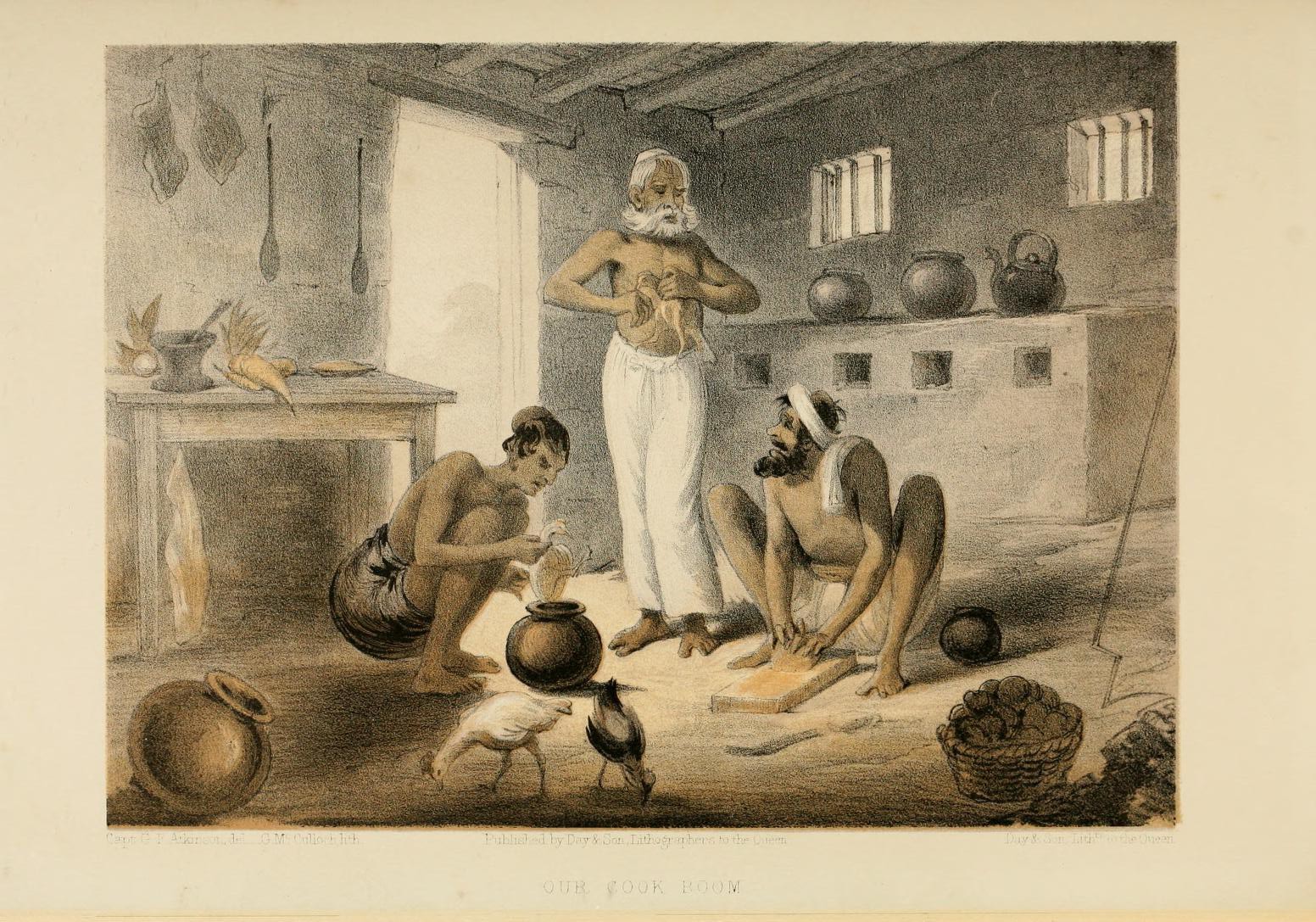
Figure 5. George Francklin Atkinson (1822-1859), Our Cook Room in Curry and Rice on Forty Plates (London, Day & Son, 1859). Colored lithograph print. University of Toronto, Robarts Library.
Indian spices for English tables weaponizes existing British satirical language to translate colonial observations into humorous spectacle. Lithographic reproduction, approachable language, and accessible visual aesthetics transformed propaganda into everyday entertainment for British audiences, portraying India as a picturesque, inferior, exoticized land. In the decades following Atkinson's book, satire was reappropriated as a form of colonial critique. Indian satirical magazines such as Basantak, Hindi Punch, and Oudh Punch6 adopted British caricature forms and, at times, illustrations to critique colonial authority, a direct result of the aesthetic interaction established by Atkinson's works. Circulated beyond British control, the visual language of satire eventually was adapted by Indian artists and periodicals themselves for purposes of political commentary. Atkinson's Indian spices for English tables thus exemplifies how the British empire was sustained not only by military authority but by aesthetic practices that shaped how colonial presence was seen, circulated, and ultimately contested.
Works Cited
Atkinson, George Francklin. "Curry & Rice," on Forty Plates: Or, The Ingredients of Social Life at "Our Station" in India. London: Day & Son, 1859. https://archive.org/details/curryriceonforty00atkiuoft
Bhattacharya, D. (2019). Caricature in Print Media: A Historical Study of Political Cartoons in Colonial India (1872-1947). Karatoya : North Bengal University Journal of History, 12, 63-78. https://ir.nbu.ac.in/handle/123456789/3954
Charles Deering McCormick Library of Special Collections, Northwestern University Libraries. Indian spices for English tables, or, A rare relish of fun from the Far East : Being, the adventures of "our special correspondent" in India, illustrated in a series of one hundred and twenty sketches, and exhibiting, in all its phases, the peculiarity of life in that country, Donald K. Adams and Lawrence D. Stewart Collection of Prints Accessed Fri Mar 13 2026. https://dc.library.northwestern.edu/items/2190b0b0-153c-4e14-8c09-06ce64b662d9
Chattopadhyay, Swati. Small Spaces : Recasting the Architecture of Empire. Bloomsbury Visual Arts, 2024.
Smith, Andrew. "Kiplings Gothic and Postcolonial Laughter", Gothic Studies 11, 1 (2009): 58-69, accessed Mar 14, 2026, https://www.manchesterhive.com/view/journals/gs/11/1/article-p58.xml
Footnotes
-
Indian Spices for English Tables, or, A Rare Relish of Fun from the Far East: Being the Adventures of "Our Special Correspondent" in India, Illustrated in a Series of One Hundred and Twenty Sketches, and Exhibiting, in All Its Phases, the Peculiarity of Life in That Country, Donald K. Adams and Lawrence D. Stewart Collection of Prints, Charles Deering McCormick Library of Special Collections, Northwestern University Libraries, accessed March 13, 2026, https://dc.library.northwestern.edu/items/2190b0b0-153c-4e14-8c09-06ce64b662d9 ↩
-
Bhattacharya, D. (2019). Caricature in Print Media: A Historical Study of Political Cartoons in Colonial India (1872-1947). Karatoya : North Bengal University Journal of History, 12, 64. https://ir.nbu.ac.in/handle/123456789/3954 ↩
-
Bhattacharya, "Caricature in Print Media," 66. ↩
-
Smith, Andrew. "Kiplings Gothic and Postcolonial Laughter", Gothic Studies 11, 1 (2009): 58-69, accessed Mar 14, 2026, https://www.manchesterhive.com/view/journals/gs/11/1/article-p58.xml ↩
-
Chattopadhyay, Swati. Small Spaces : Recasting the Architecture of Empire. Bloomsbury Visual Arts, 2024. ↩
-
Bhattacharya, "Caricature in Print Media," 66. ↩